

Psychotherapy
for Musicians and Artists
Therapeutic support for musicians, performing artists and people in other creative professions – grounded in professional expertise and a personal understanding of life on stage.
How My Musical Background
Shapes My Therapeutic Work
My many years as a concert flautist, university lecturer and music educator have profoundly shaped my therapeutic perspective.
Over the years, I have had the privilege of guiding musicians of different ages and at various stages of their artistic development. This experience has shown me time and again how closely artistic growth, self-esteem, personal identity and emotional well-being are connected.
At the same time, having performed internationally as a soloist and chamber musician since my early youth, I know first-hand the particular emotional, psychological and physical demands of performing in public.
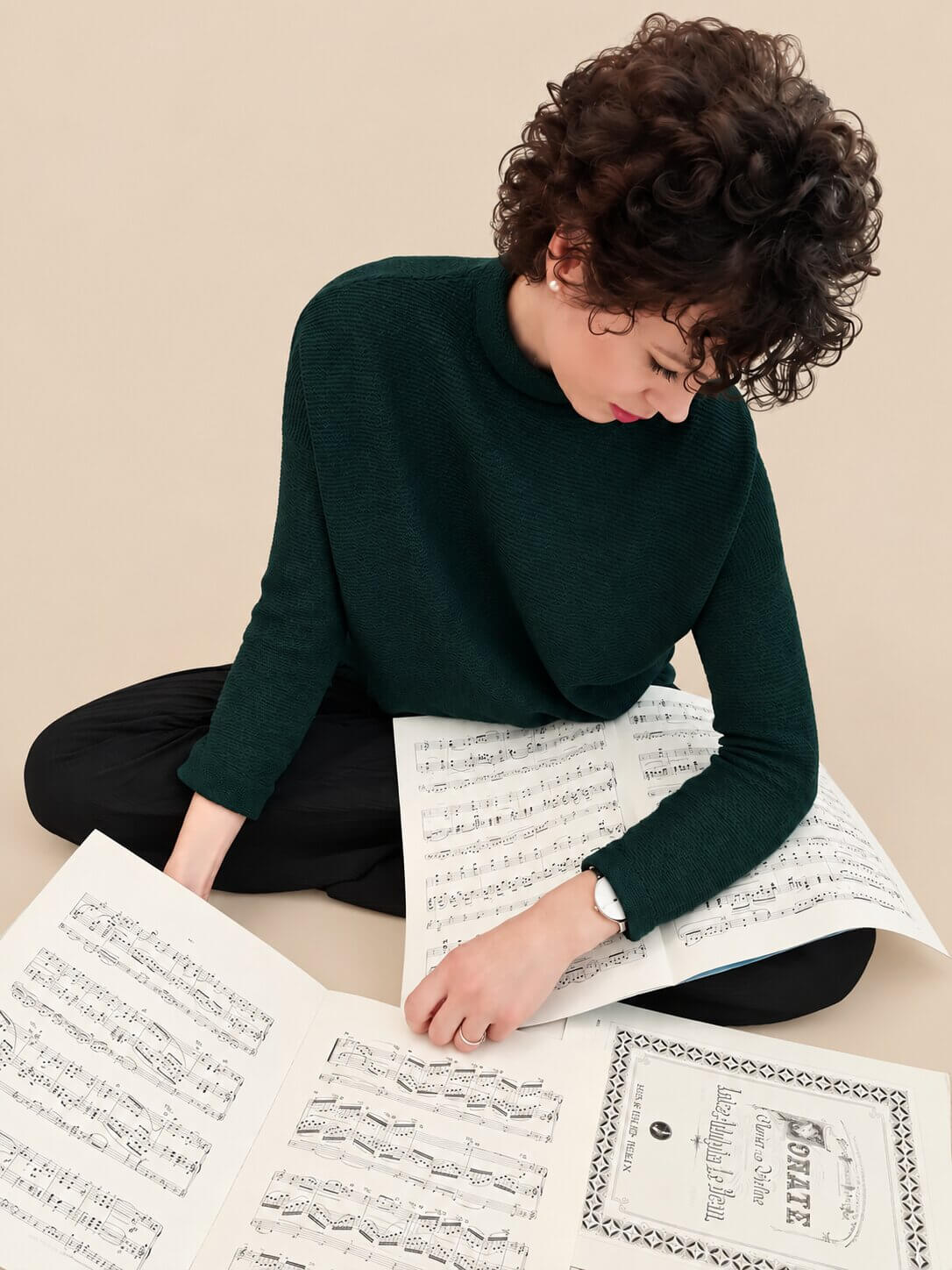
“Artistic development and emotional stability are deeply connected.”
The Unique Pressures of Artistic Professions
Unlike in competitive sports, success in the professional arts is often difficult to measure by clearly defined standards. At an advanced level, technical abilities may already be highly developed, while increasingly subjective qualities – such as expression, personality, stage presence and artistic identity – become decisive factors in recognition and professional success. These same qualities can also become sources of intense pressure, competition, fear of failure, self-doubt and the persistent feeling of never being quite good enough.
Artists often work in an environment shaped by constant evaluation, competition, high expectations of perfection and emotional vulnerability.
While psychological support and mental coaching have long become an established part of professional sports, many artists are still left to navigate their inner pressures, anxieties, exhaustion and self-doubt largely on their own.
My Therapeutic Approach for Artists

It was particularly through my work as a university lecturer that I became increasingly aware of how artistic development often depends on much more than the continuous refinement of technical or performance skills.
Technical excellence and artistic talent are important, but they are not always sufficient for lasting artistic growth.
Emotional stability, self-confidence and inner clarity can be equally essential, as can compassionate therapeutic support informed by a deep understanding of the particular challenges of an artistic career.
My therapeutic approach therefore combines psychotherapeutic methods with first-hand knowledge of the psychological, physical and emotional demands of professional performance and artistic life.
From Teaching to Therapeutic Practice
The longer I accompanied musicians and artists on their professional journeys, the more clearly I recognised the need for psychological and emotional support within the artistic world.
Over time, this awareness grew into a personal wish to place greater emphasis on an aspect of artistic life that so often receives too little attention: the inner experiences, emotional challenges and psychological well-being of the artist.
This eventually led me to make a conscious shift in my professional focus – from instrumental and musical teaching towards the therapeutic support of artists and musicians.
Areas Where I Can Offer Support
Performance anxiety
Performance pressure
Perfectionism
Low self-esteem and self-doubt
Psychosomatic symptoms
Creative crises and artistic blocks
Exhaustion and burnout
Questions of identity and artistic self-understanding
Auditions, examinations and competitions
Distressing experiences during artistic training or professional life